Sourcing Your Wine: Grapes, Bulk Wine, and the 4 to 5 Ton Decision
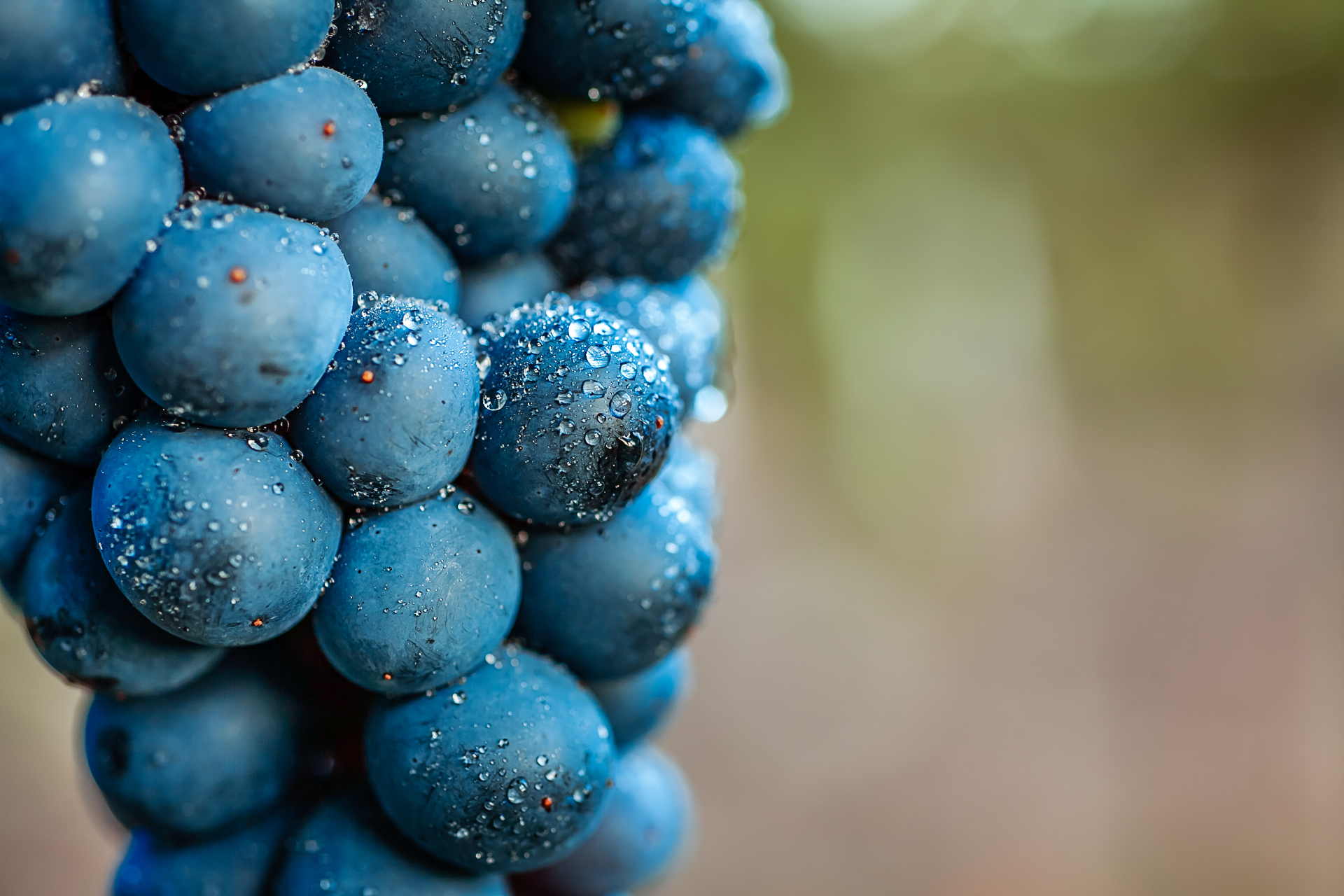
With your compliance framework in place, the build truly begins, and it begins with fruit. The sourcing decisions you make here shape the quality, the flavor, the timeline, and the cost of everything downstream. You do not need to own a vineyard to launch a commercial brand. Almost every new brand takes one of two paths: sourcing grapes or buying bulk wine.
The right choice comes down to a single tradeoff: control versus speed.
The Two Paths
Sourcing grapes gives you the most control over quality, flavor, and the winemaking process. It also takes longer, because you carry the fruit through fermentation and aging before you can bottle. This is the path if your brand vision depends on a specific expression of a specific varietal.
Buying bulk wine means purchasing wine that has already been fermented and aged, ready for near-immediate bottling. You give up some flexibility, but you gain speed to market and lower upfront cost. At commercial scale, this is a serious strategic tool, not a shortcut for hobbyists. It lets you put a real 4 to 5 ton run of a proven varietal on the shelf fast while a longer grape program ages in the background.
What 4 to 5 Tons Actually Means
Before you source anything, anchor on the numbers, because they define your entire order. These are the working metrics every commercial founder should know:
- 1 acre of vineyard yields roughly 3 to 5 tons of grapes.
- 1 ton of grapes produces about 160 gallons of wine, or roughly 2.4 barrels.
- 1 barrel fills about 21 to 23 cases, at 12 bottles per case.
- Plan for about 10 percent of the wine lost to evaporation during aging, plus 0.5 to 5 percent lost to filtration.
Put together, a 4 to 5 ton single varietal run comes to roughly 640 to 800 gallons, about 15 to 19 barrels, or 325 to 435 cases, which is close to 3,900 to 5,200 finished bottles. At grape costs of $1,500 to $6,000 per ton, your raw fruit alone runs about $6,000 to $30,000 before crush and production. Knowing this lets you budget and negotiate from a position of strength.
Sourcing Grapes: The Variables That Matter
- Varietal. Cabernet Sauvignon is consistently the top-selling varietal in the United States and the easiest to market. Chardonnay, Pinot Noir, Sauvignon Blanc, and Merlot round out the leaders. A widely recognized varietal sells itself. A niche varietal or blend differentiates you, if it fits a trend or regional preference.
- Region. Cooler climates produce crisp, higher-acid wines. Warmer climates yield riper, fuller-bodied wines. Fruit from a recognized American Viticultural Area, such as Napa Valley or Willamette Valley, carries marketing value on the label.
- Vineyard characteristics. Hillside sites drain well and concentrate flavor. Practices like dropping fruit before harvest concentrate quality. Hand-picking suits high-end wines, machine harvesting suits scale.
- Harvest timing. Sugar level, measured in Brix, guides when to pick. Cabernet Sauvignon, for example, is often harvested at 24 to 25 Brix.
Buying Bulk Wine: Speed at Commercial Scale
Bulk wine is already fermented and aged, so you can bottle quickly. Even though it is finished, you can still shape it to your vision: adjust tannins for structure, acidity with tartaric acid for freshness, sweetness and color with concentrate, or alcohol with distilled wine alcohol. For a commercial founder, bulk wine is the fastest way to validate demand at a real 4 to 5 ton volume before committing to a longer grape program.
Note on shiners: You can also buy unlabeled, pre-bottled wine known as shiners and apply your own label. It is the fastest path of all, but it gives you the least control over what is in the bottle. Use it deliberately, not as a default.
Custom Crush Ties It Together
Whether you source grapes or bulk wine, a custom crush facility can carry it through fermentation, aging, and bottling without you owning production. That is covered in full in Custom Crush.