
Custom Crush: The Turnkey Way to Produce Your First Commercial Run
You do not need to own a winery to launch a real wine brand. For most founders producing their first commercial run, owning land, tanks, and a bonded facility is the single fastest way to run out of money before the first bottle is filled. A custom crush facility removes that problem. It is a licensed winery that produces wine for other brands, handling everything from crushing fruit to fermentation, barrel aging, and bottling, while you keep control of the brand, the recipe direction, and the customer.
This guide is written for founders starting at commercial scale, meaning a minimum of roughly 4 to 5 tons of a single varietal. At that volume you are producing around 325 to 435 cases, or close to 3,900 to 5,200 bottles. That is a real brand with real shelf presence, not a garage hobby, and it is exactly the size custom crush facilities are built to serve.
What a Custom Crush Facility Actually Does
A custom crush facility gives you a complete production line without the capital cost of building one:
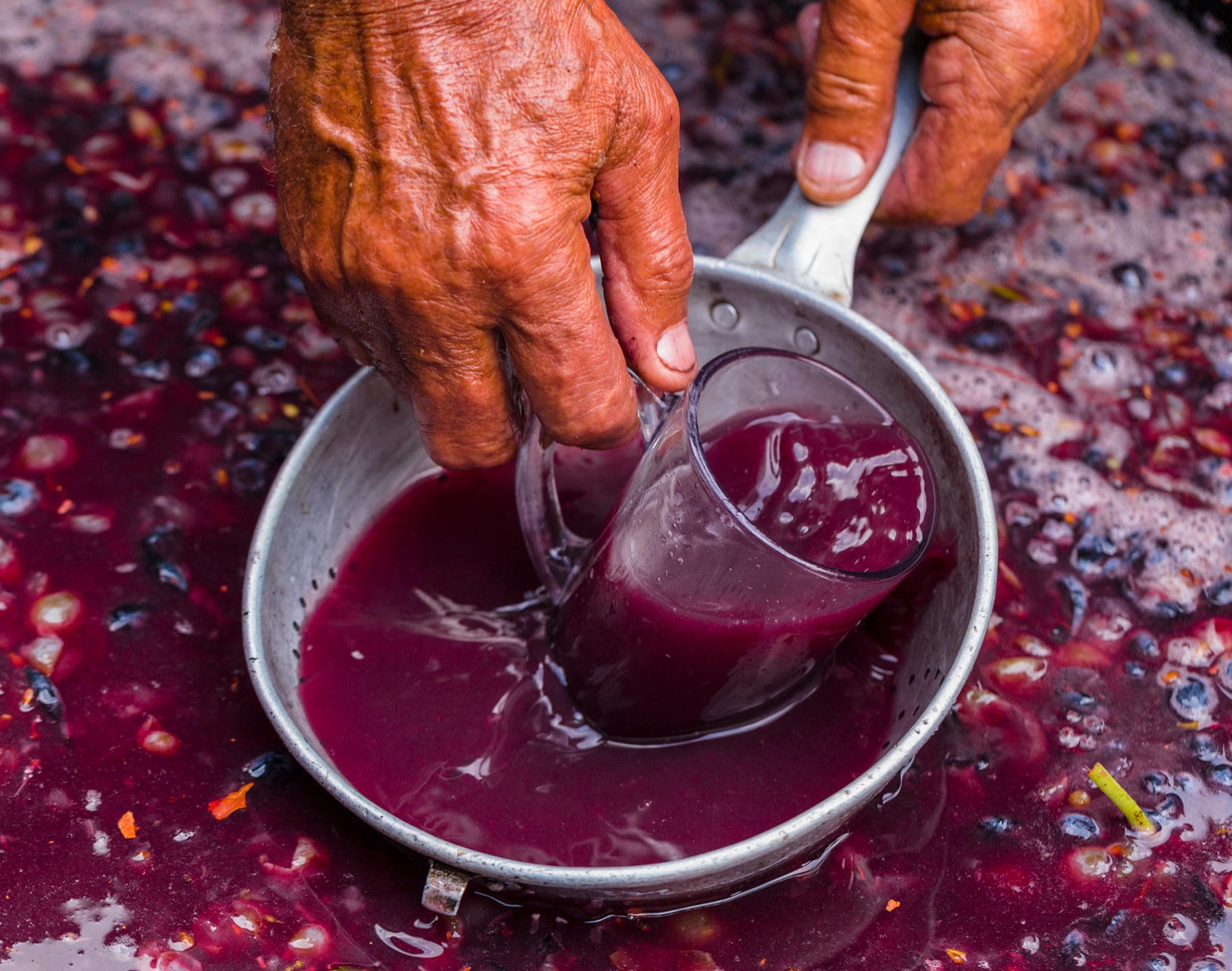
- Fruit processing and fermentation. They receive your grapes or bulk wine, crush, press, and ferment to the profile you direct.
- Barrel storage and aging. Your wine ages on site in their cellar, under their temperature control, on their insurance.
- Bottling and finishing. Filtration, bottling, corking or screw cap, and labeling, often on the same campus.
- Compliance access. This is the part most new founders miss. By producing through a custom crush facility and registering as an Alternating Proprietor, you gain the legal standing to apply for federal permits and your Certificate of Label Approval. More on that in the compliance and licensing guide.
Why This Is the Right Path at 4 to 5 Tons
At a single varietal run of 4 to 5 tons, the economics favor custom crush heavily:
- Speed to market. No facility build, no equipment sourcing, no bonding your own cellar. You can be in production in a single harvest cycle.
- Lower upfront cost. You pay per ton and per service instead of carrying a million dollar facility. Your fruit at this scale runs roughly $6,000 to $30,000 depending on varietal and region, and crush fees layer on top of that, which is a fraction of building your own production.
- You stay a brand, not a factory. Outsourcing production lets you spend your time and money on the label, the story, and selling, which is where commercial wine brands actually win or lose.
How to Choose a Custom Crush Partner
Look for four things: the right minimum volume for a 4 to 5 ton run, Alternating Proprietor support so you can hold your own permits, transparent per-service pricing, and a location in a region that strengthens your label. A facility inside a recognized American Viticultural Area, such as Napa Valley or Paso Robles, carries marketing weight on your label and in your story.
Pitfall to avoid: Do not sign with a facility before you understand whether you will operate as an Alternating Proprietor or simply buy finished wine. The two paths have very different compliance and labeling consequences. Decide this first, because it determines who can apply for your Certificate of Label Approval.